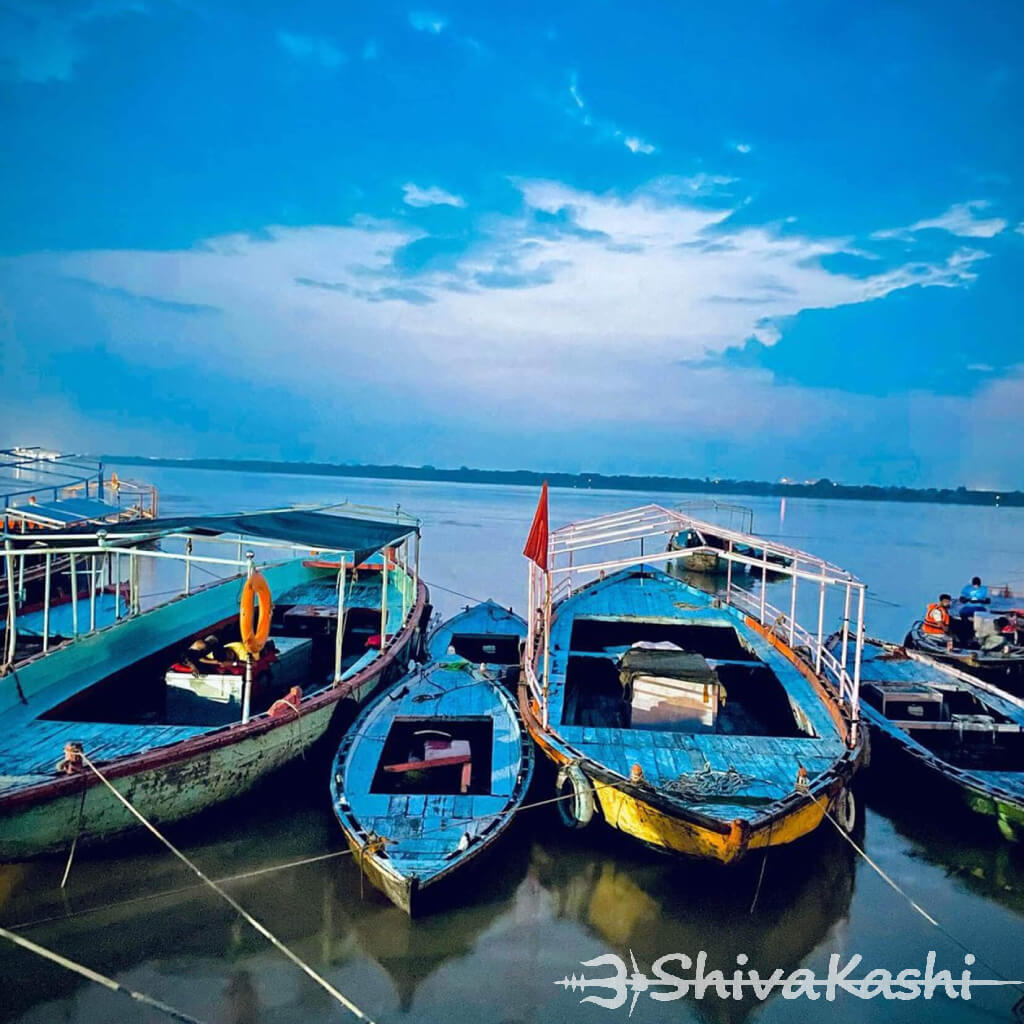
Assi Is Where the Ghats Begin
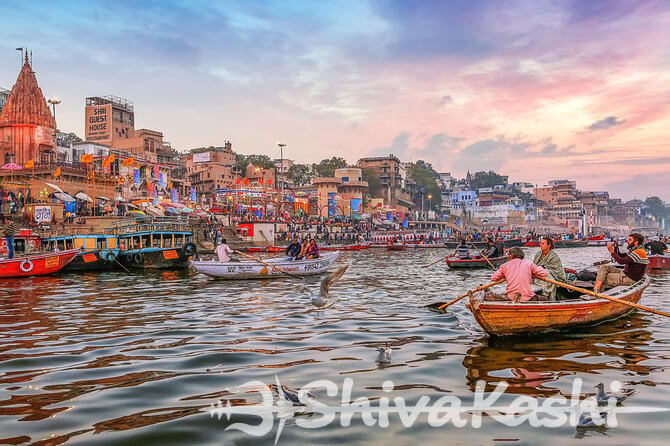
Assi Ghat marks the southern end of Varanasi's ghat sequence, where the Assi stream meets the Ganga. It is the last of the 84, and by a distance the most practical one to board from.
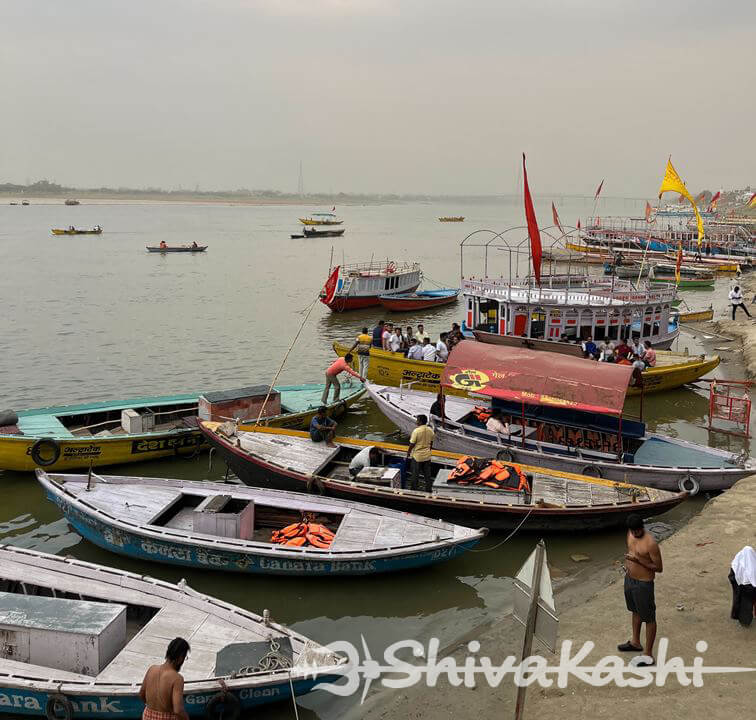
The steps are wide and gently graded rather than steep and broken. There is road access and actual parking within walking distance, which is not true of Dashashwamedh. The crowd is a fraction of the size. Boarding here with a seventy-five-year-old parent or a pushchair is a normal task rather than an ordeal, and that single fact decides the ghat for a large share of our guests.
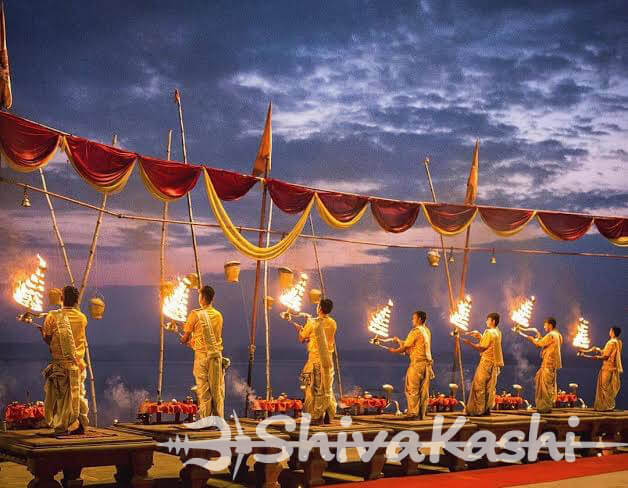
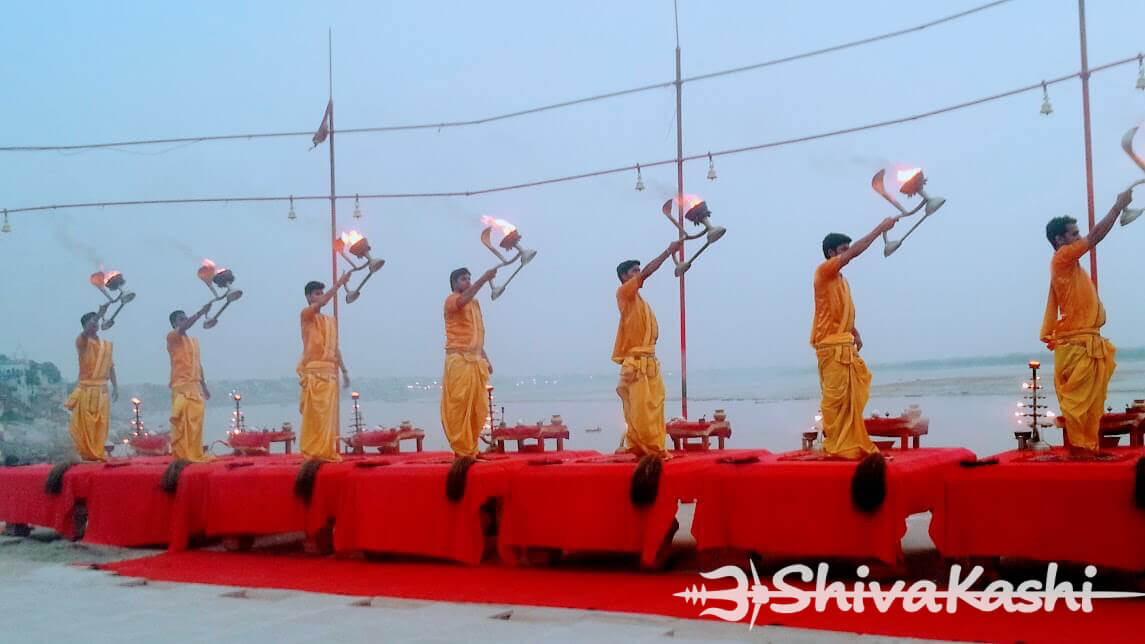
Assi also has its own ceremonies. Subah-e-Banaras runs at dawn from around 5:30 AM — Vedic chanting, yoga on the steps and live classical music as the sun comes up. In the evening Assi holds a smaller Ganga Aarti that many guests prefer to the Dashashwamedh spectacle precisely because you can breathe.
- 🌄Subah-e-Banaras at DawnChanting, yoga and live classical music from about 5:30 AM. Peaceful, and mostly attended by locals.
- 🪜Easy, Wide StepsThe gentlest boarding gradient on the river — the reason we route families and elderly guests here.
- 🅿️Road Access and ParkingVehicles get close, which matters at 5 AM and on festival evenings when the central ghats close.
- 🕯️A Calmer Evening AartiAssi's own aarti, at a scale you can actually stand in without being carried by a crowd.
- ☕Cafés and Clean ToiletsThe Assi area has proper cafés and usable facilities — genuinely useful before an early ride.
- 🛶Upstream StartBoarding at the southern end means you cruise downstream past all 84 ghats in sequence.